Process Raw GPR Profiles
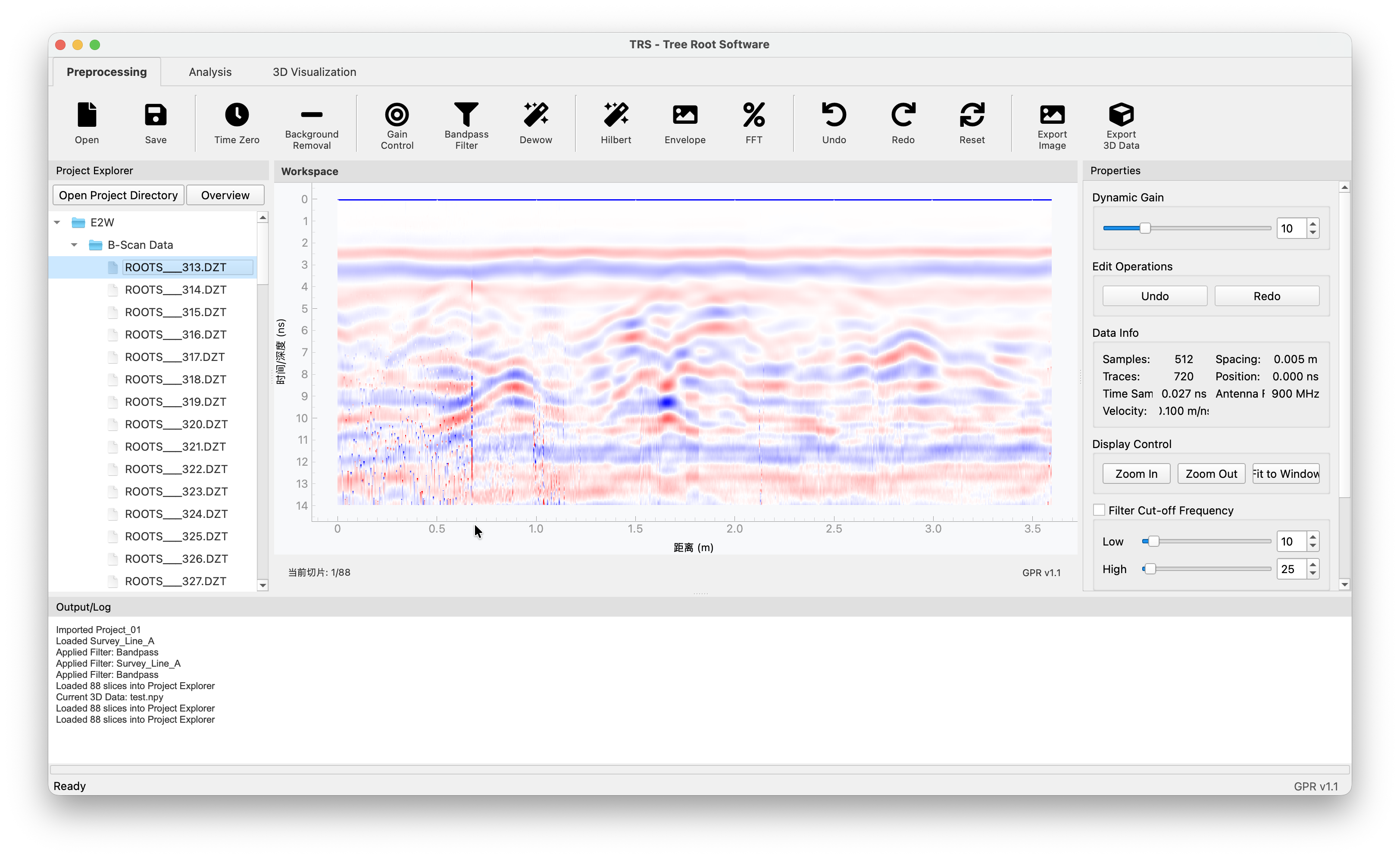
Denoising, gain, frequency-domain and envelope preprocessing prepare cleaner signals.
GPR 3D Reconstruction · Root Phenotyping
Tree Root Software for Tree · Root · Soils
Transform raw GPR profiles into 3D underground structures, root topology, density heatmaps, and phenotype metrics for research and agri-tech applications.
TRS focuses on the high-value steps that reduce manual interpretation and repeated plotting.
Denoising, gain, frequency-domain and envelope preprocessing prepare cleaner signals.
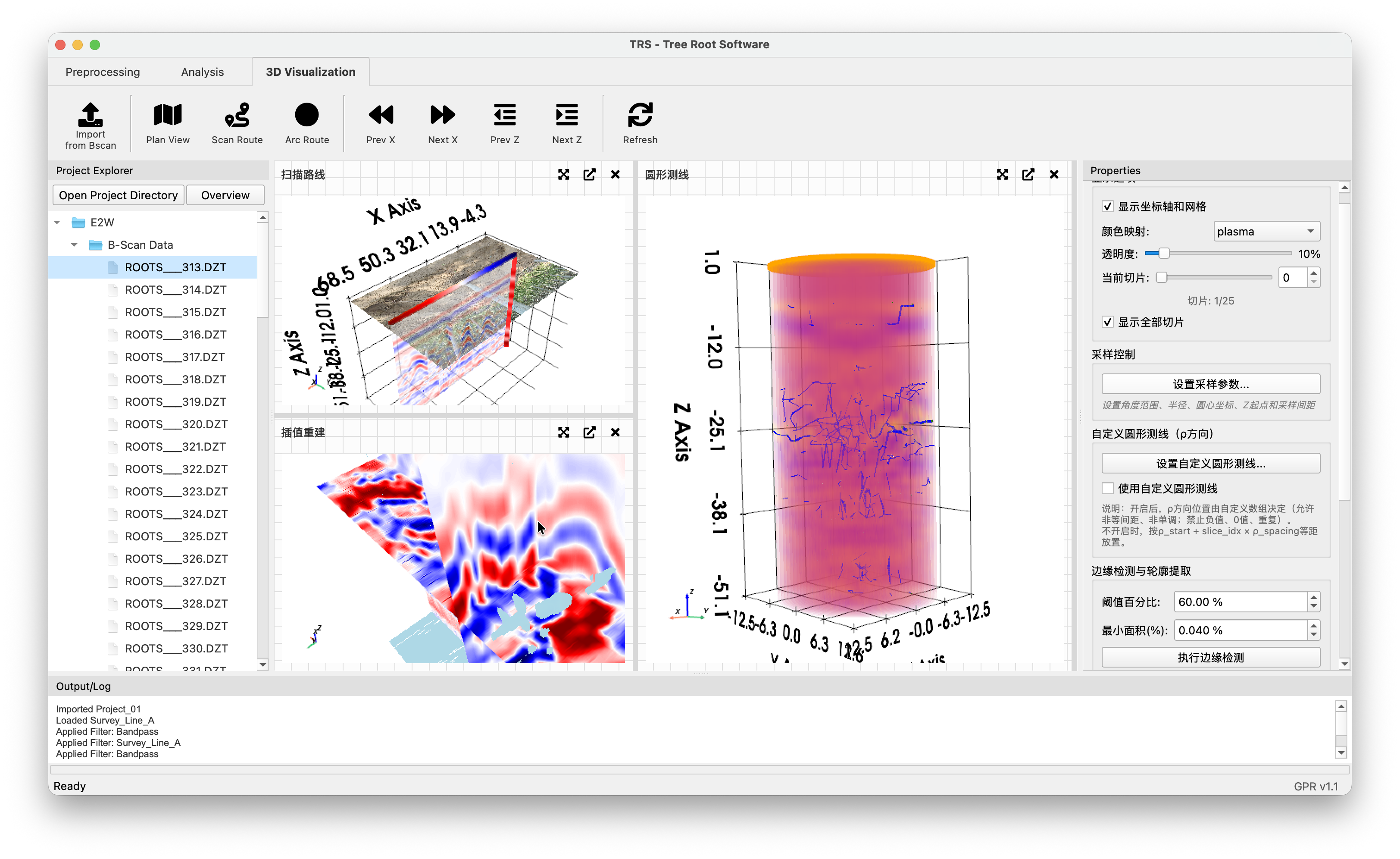
Line and arc scan routes turn 2D slices into inspectable underground structures.
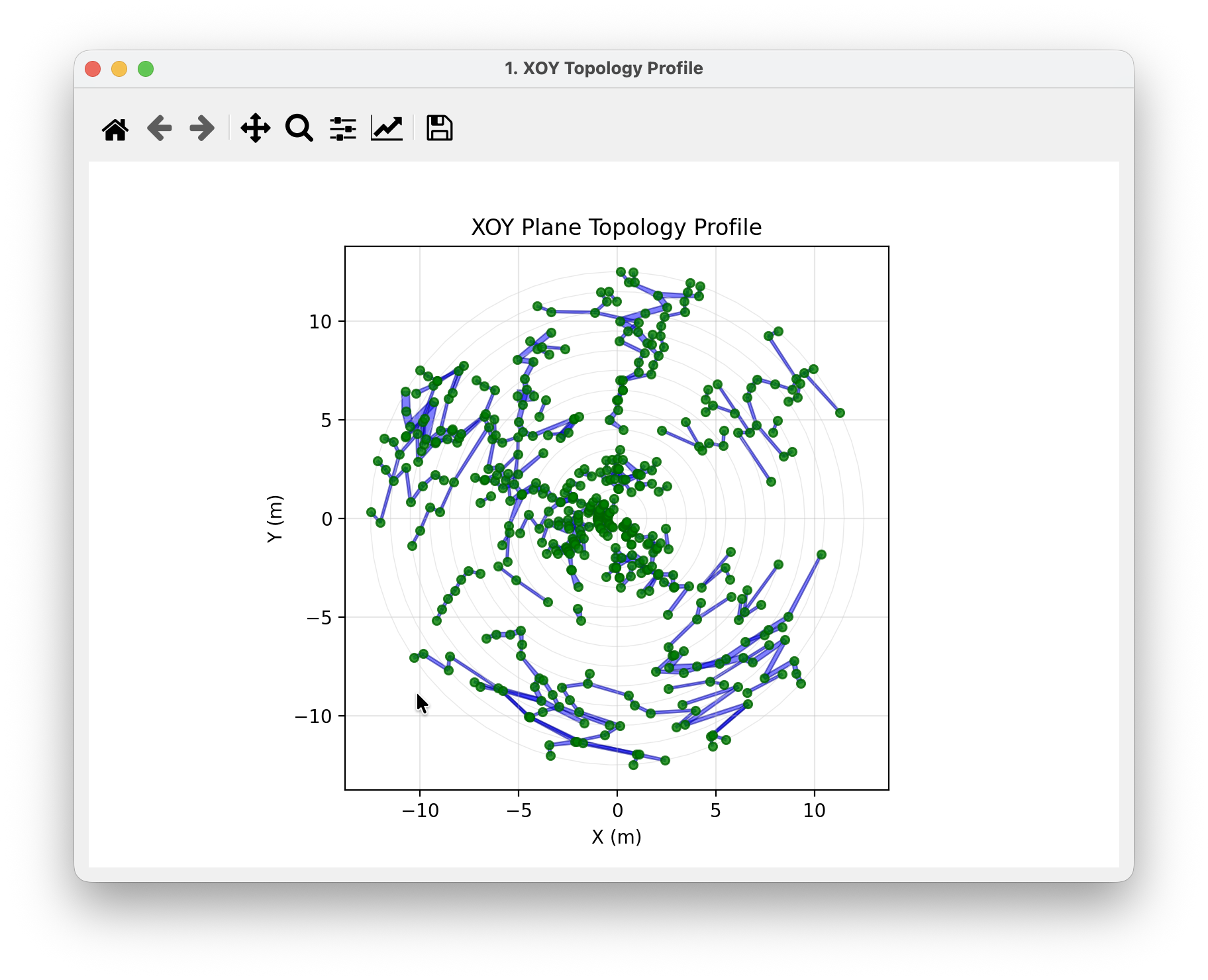
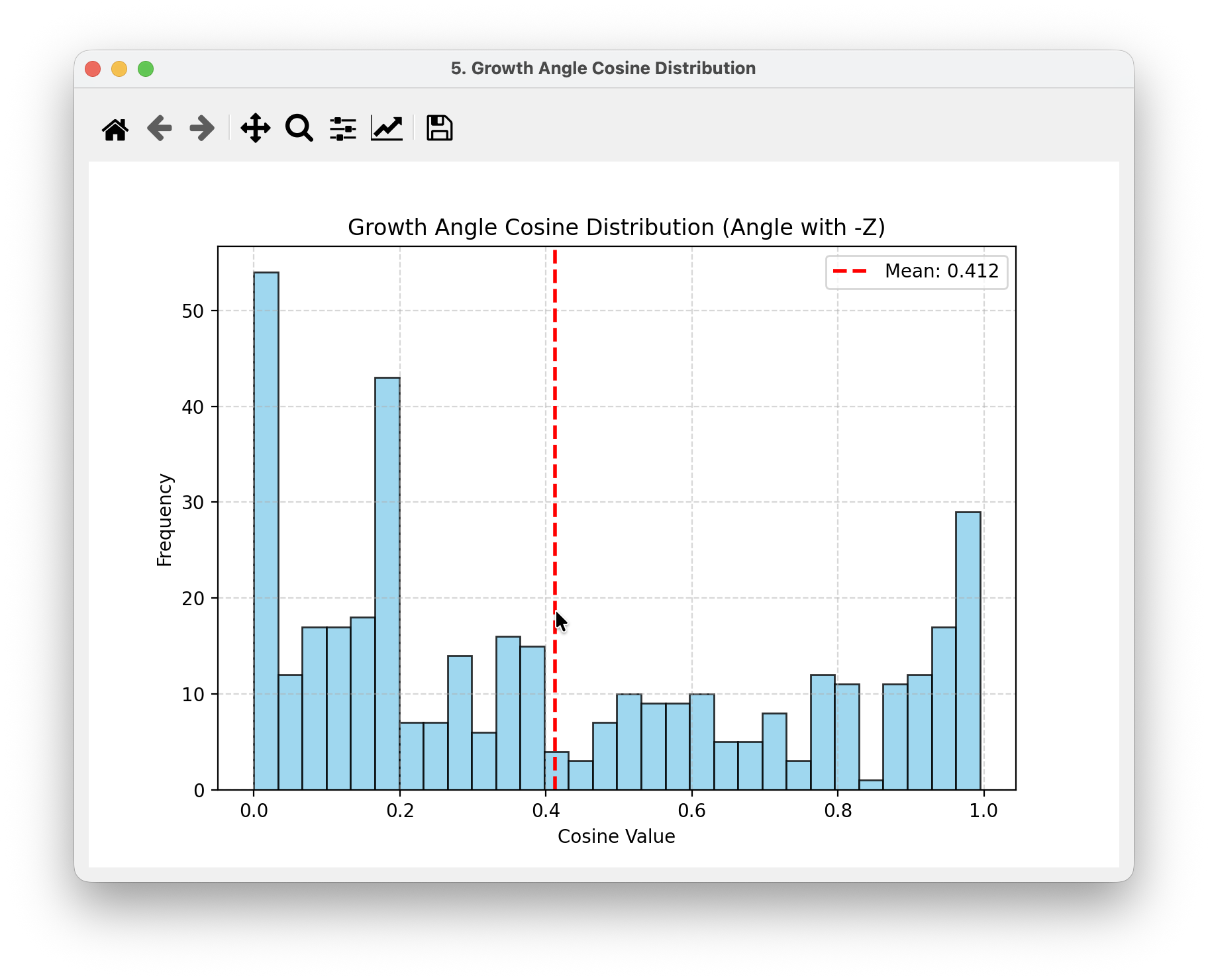
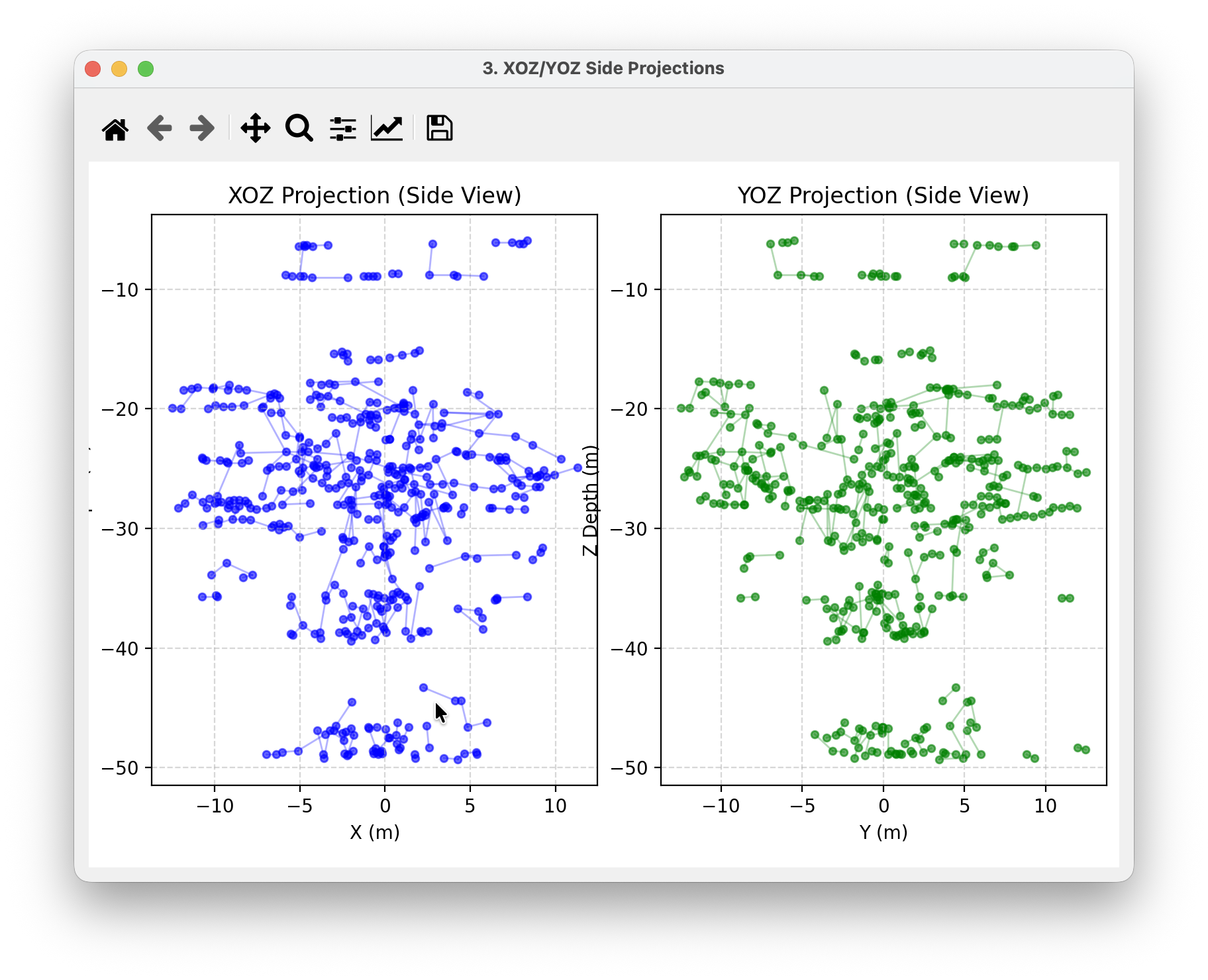
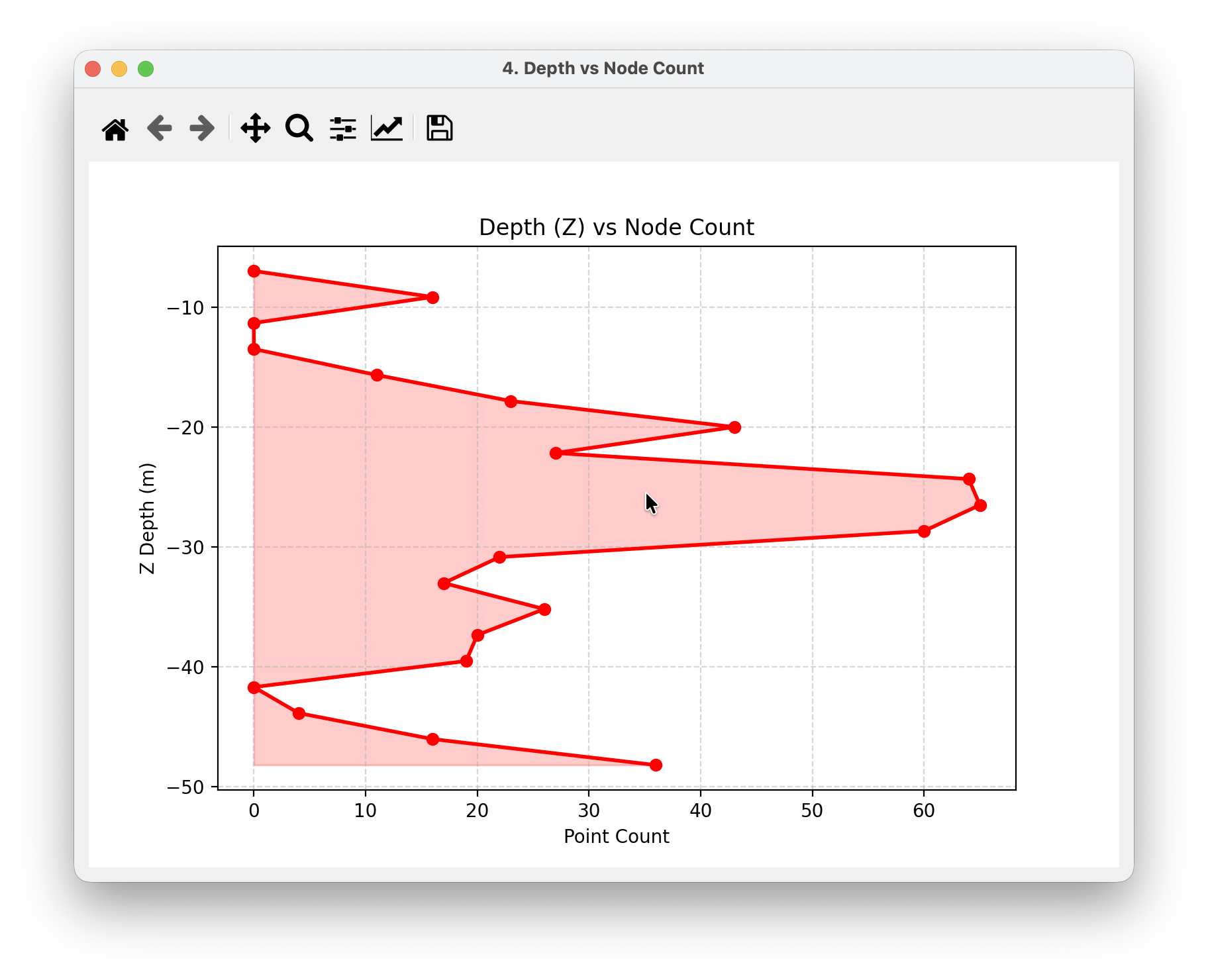
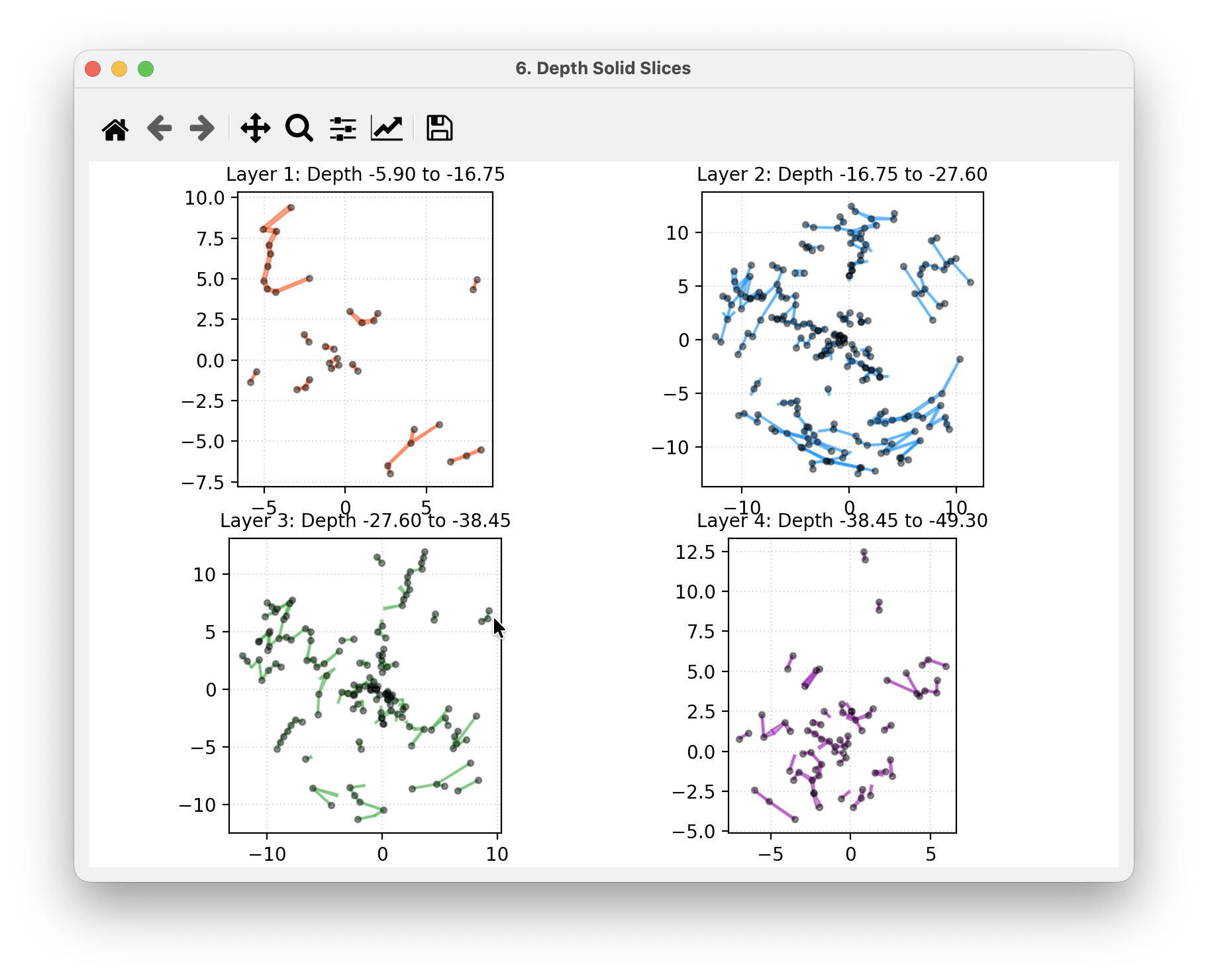
Generate topology, density, depth, angle and slice plots for interpretation.
Built for researchers who need reproducible figures and metrics from experimental data.
The page focuses on how TRS turns data into interpretable outputs.
Time Zero, Background Removal, Gain, Bandpass, Dewow, Hilbert, Envelope and FFT.
Compare B-scans, run migration and locate anomalous response regions.
Inspect line or arc scan reconstructions with volume, opacity and slice controls.
Export topology, density, depth-node, growth angle and slice plots.
Key outputs from reconstruction to phenotyping are shown as evidence, not replaced by long copy.
TRS is grounded in a long-running line of GPR, root detection, and underground reconstruction research.
The project was funded by the National Natural Science Foundation of China (32071679) and the Beijing Natural Science Foundation (6202023).
IEEE Trans. Geosci. Remote Sens.
DOI: DOI pending
Measurement
DOI: DOI pending
IEEE Trans. Geosci. Remote Sens.
DOI: DOI pending
Core Team
This page does not display unprovided names, portraits, or institutions, so the section is presented as role-based profiles. In practice, these cover academic direction, algorithm implementation, and experimental validation.
Research direction and method design
Defines the research problem, experimental design, and publication scope so the software stays aligned with scientific goals.
GPR processing and 3D reconstruction
Implements preprocessing, reconstruction workflows, interactive visualization, and exportable outputs with reproducible behavior.
Field data and scenario validation
Handles sample collection, validation experiments, and on-site testing to move the software from lab workflows to real cases.
Get Access
After submission, the team will review your research or application scenario and arrange trial support.